Exploring New Places Virtually: So Close, Yet So Far Away

I’m not very big on Valentine’s Day and would usually prefer a nice dinner, and that’s it. But, I got the best surprise for Valentine’s Day this year.

One of my best friends reached out to my husband to tell him about Amazon Explore and urged him to purchase a virtual city tour for Valentine’s Day for me. Obviously, I learned these details afterwards. I suppose it’s evident that I’ve been struggling with not being able to travel internationally due to the pandemic, but it makes me smile that my friends and my husband understands me completely.

So what is Amazon Explore? It is a site where you can sign up for a live, virtual one-on-one sightseeing and/or cooking experience from all over the world. Each session is booked directly with a local tour guide who lives in the city and is about $10-$100+ depending on the location. You can see and interact (audio) with the tour guide, but they can only hear you and they cannot see you. You can even take screen shots and interact with other locals onsite virtually if you wanted to.

The one my husband booked on Amazon Explore was the ‘Royal Berlin: a virtual visit to two of Berlin’s most famous squares’ through the tour company Essence of Berlin. This was a 1-hour tour with our guide Sam who virtually walked us through the neighboring Gendarmenmarkt and Bebelplatz squares while pointing out the landmarks and explaining their significance. Sam actually grew up in Scotland and relocated to Berlin to study at the Humboldt University of Berlin. One of the things I’ve missed about traveling was meeting and talking with locals, so we took the opportunity to get to know Sam better.
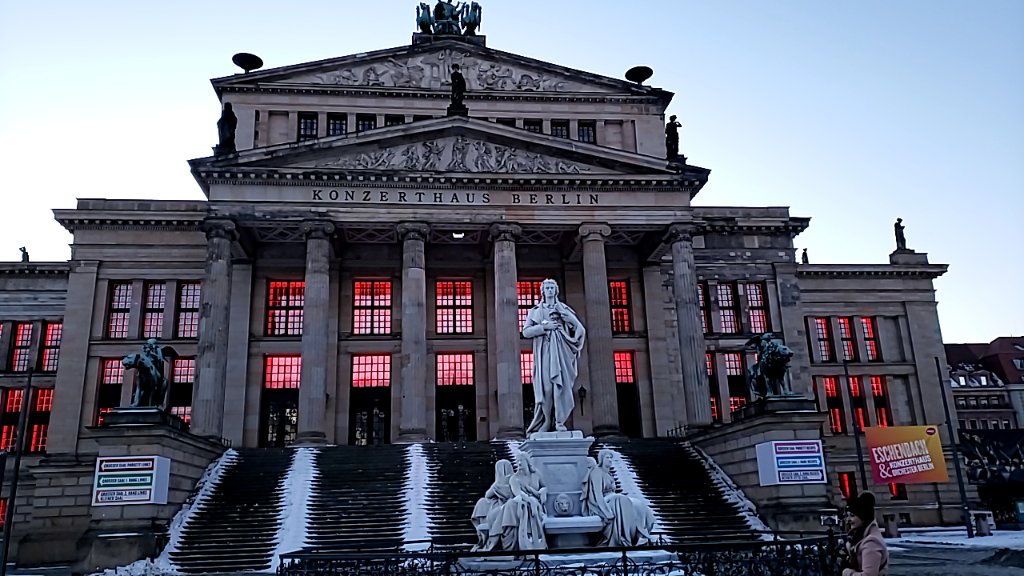
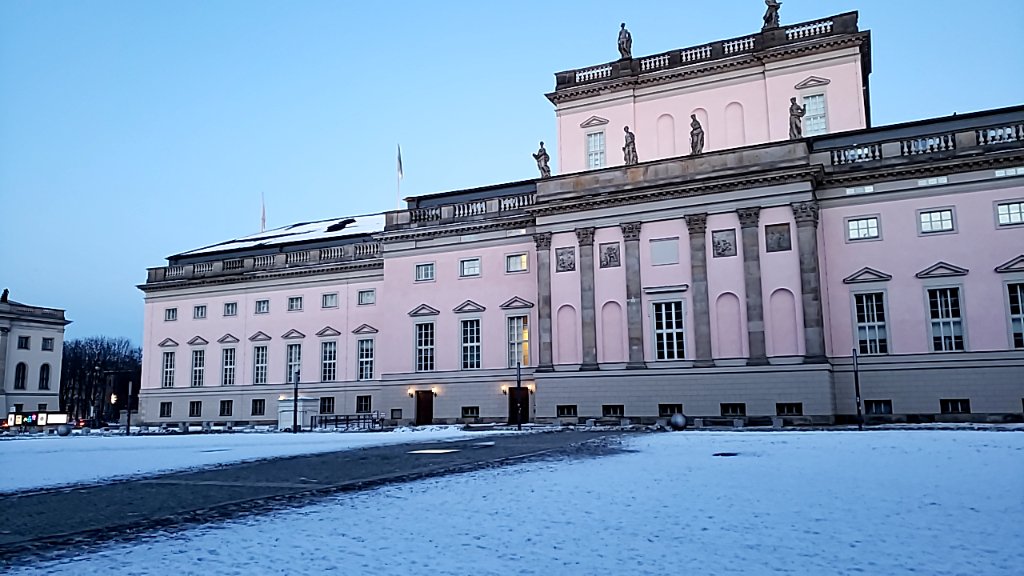
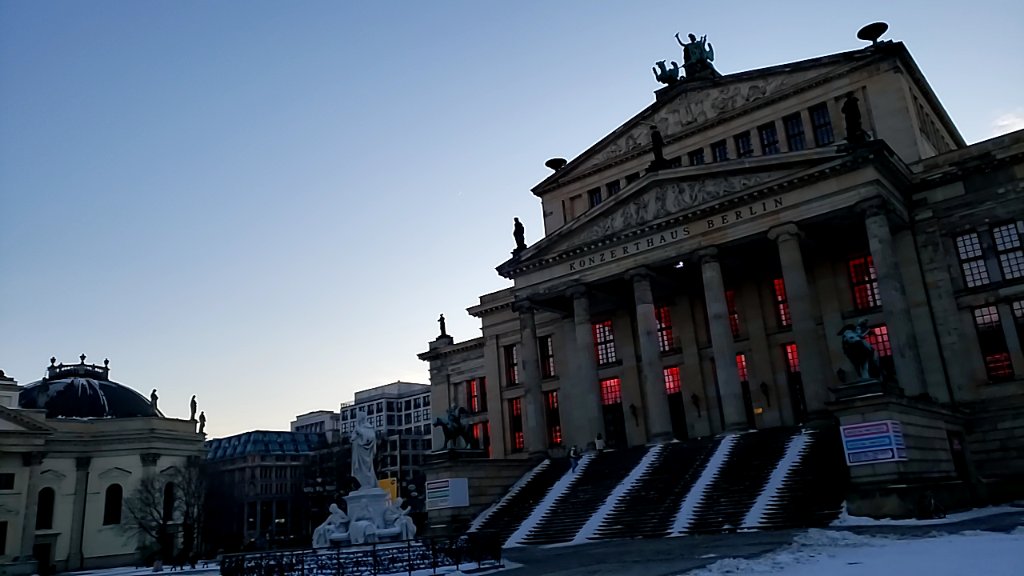
Konzerthaus Berlin

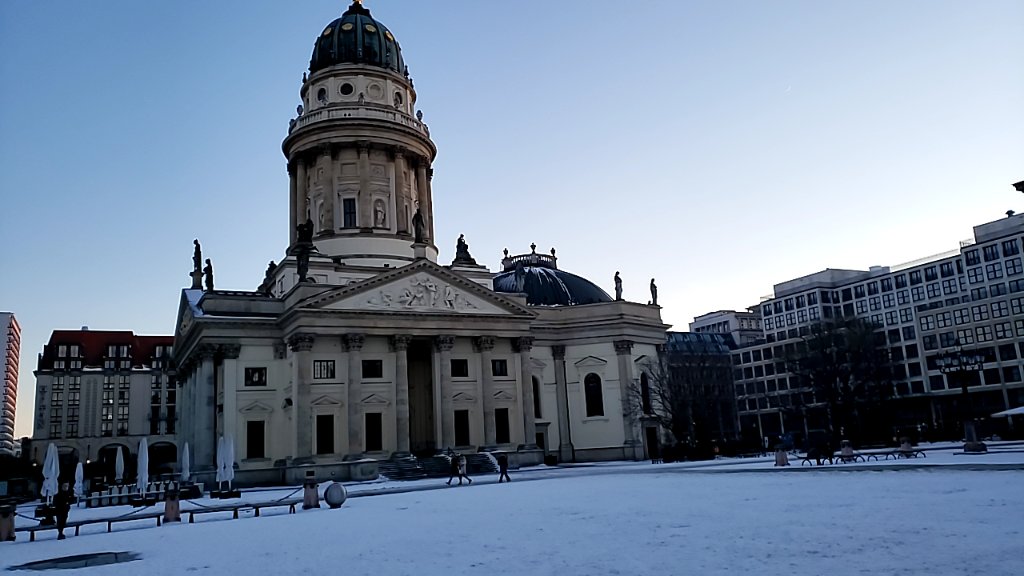
We started our virtual tour in the Gendarmenmarkt square in front of the Konzerthaus concert hall. Sam pointed out the German cathedral on our left and the Huguenots (French) cathedral to our right. The Friedrick Schiller statue was standing in the middle of the square. Sam explained that this square and the cathedrals were built back in the 1700s under King Friedrick William after issuing the Edict of Potsdam to allow French Protestants to relocate and flee from religious persecution in France.
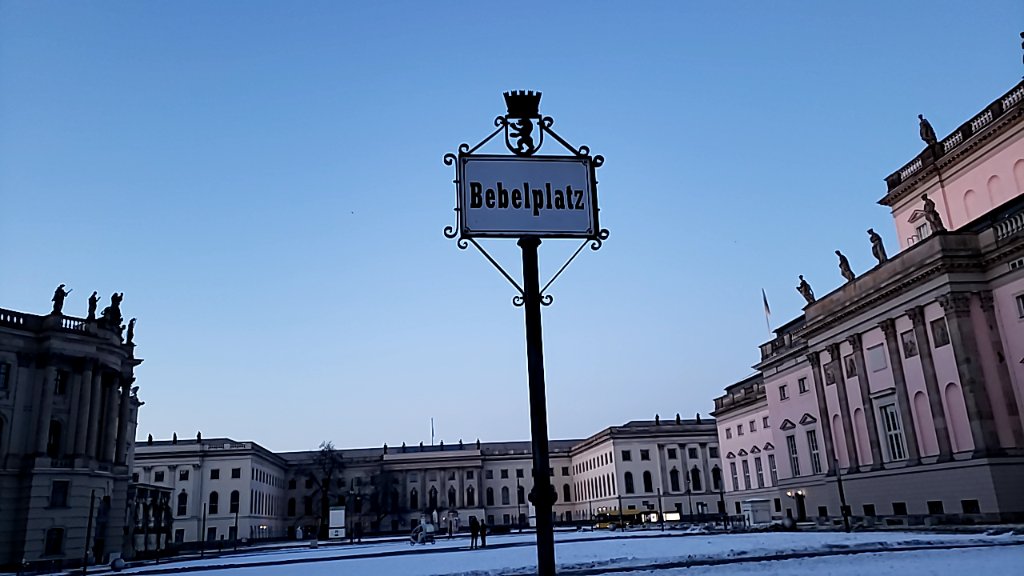
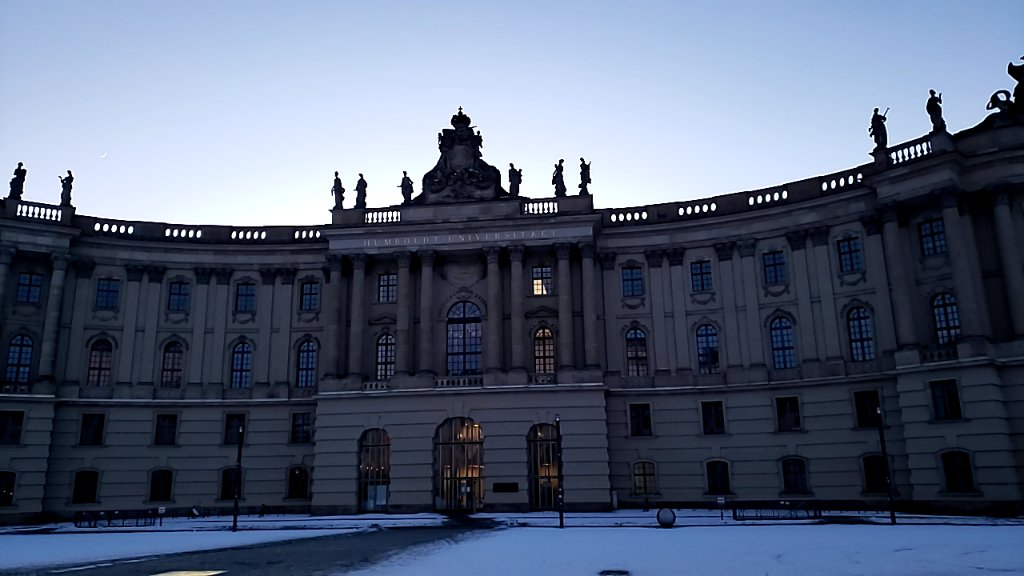
Next, Sam strolled across the street and into another one of Berlin’s most attractive squares, Babelplatz. My mouth dropped in awe as I gazed into my computer screen of the beautiful buildings and their architecture. Several well-known buildings such as the Staatsoper Unter den Linden (Berlin State Opera House), Alte Bibliothek (library) and St. Hedwig’s Cathedral were located in this square. When Friedrick the Great expanded the Prussia empire, he decided to build St. Hedwig’s Cathedral for the people to express religious tolerance in the land.
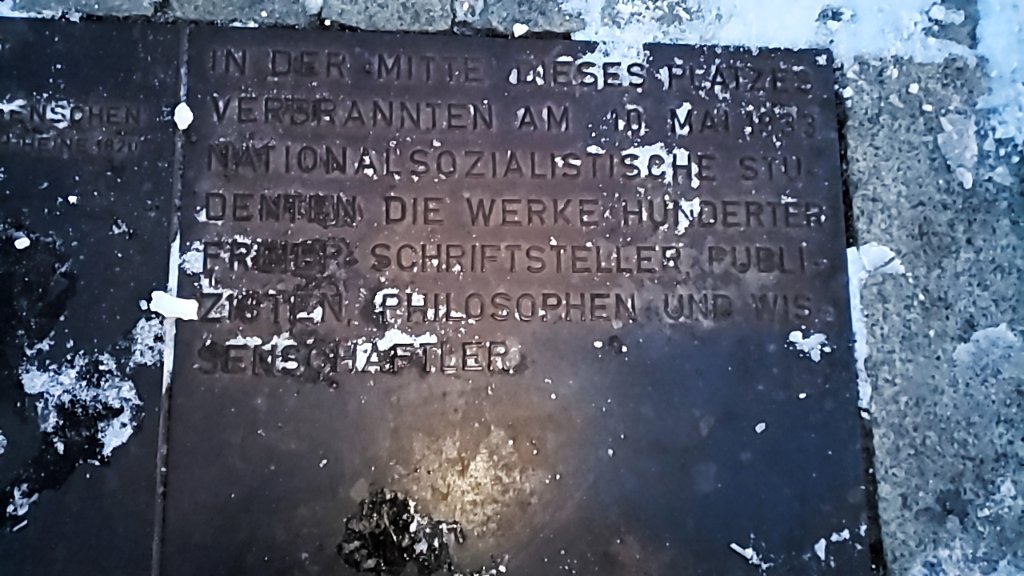
The most memorable (and unforgettable) landmark we saw was the Book Burning Memorial in the center of Bebelplatz. On May 10th, 1933, a group of the Nazi German Student Union and their professors burnt books that were written by authors that they believed the ideologies were against Nazism. Sam also pointed out a glass plate in the ground; he said to look closely and see what was underground. There was a white empty bookshelf underground beneath the glass plate. I immediately felt the emotion and stood stunned while I processed the symbolism of this memorial. There were also two bronze plates on the ground with the following inscription in German:

That was but a prelude;
where they burn books,
they will ultimately burn people as well.
Heinrich Heine 1820

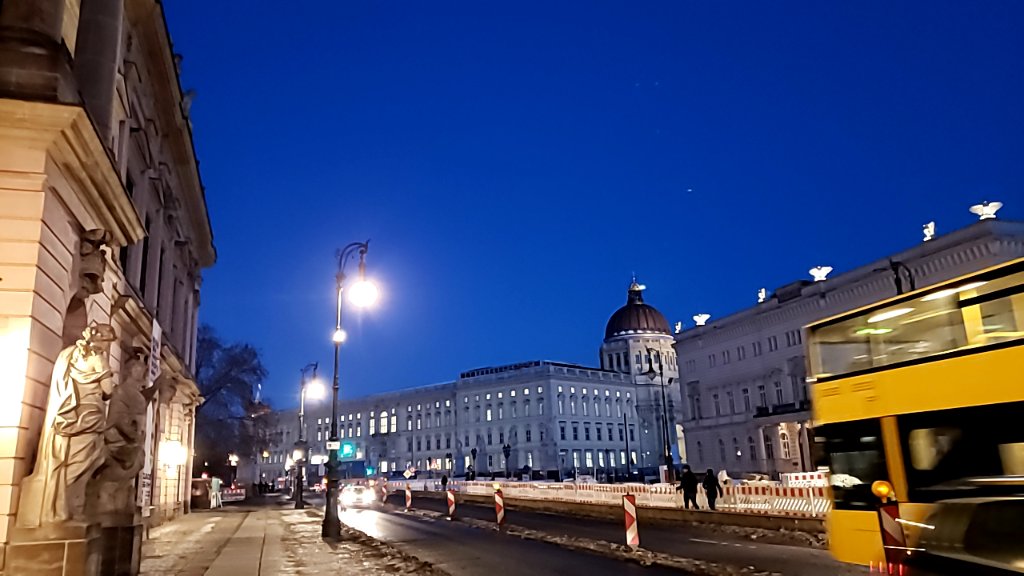
As we near the end of our virtual city tour, Sam pointed out the German royal palace shining brightly in front our view. He said that this was a reconstructed building of the royal palace and has now been made into a museum. The reconstruction was completed in 2020 and was supposed to open to the public last year. Unfortunately it was not able to due to the pandemic, but we could take a virtual tour online.
Finally, we had to say goodbye and give Sam our thanks for taking us through this tour. Maybe I’m a bit deprived from travel, but this has been one of the best experiences I’ve had for the past year! It really made me feel like I was there in Berlin and walking through the city squares with Sam.

This experience was the breath of fresh air that I needed and I hope to see Berlin in person someday.
Travel Destinations: Historic Jamestowne, Virginia

One of my most memorable trips was to Historic Jamestowne and the Settlement in Virginia. I’ve been fascinated with Jamestown ever since I was a child and this destination has been sitting idly on my bucket list waiting for its turn. With our 3rd wedding anniversary and the pandemic situation, my husband and I wanted to do something special and decided to do a trip closer to home.

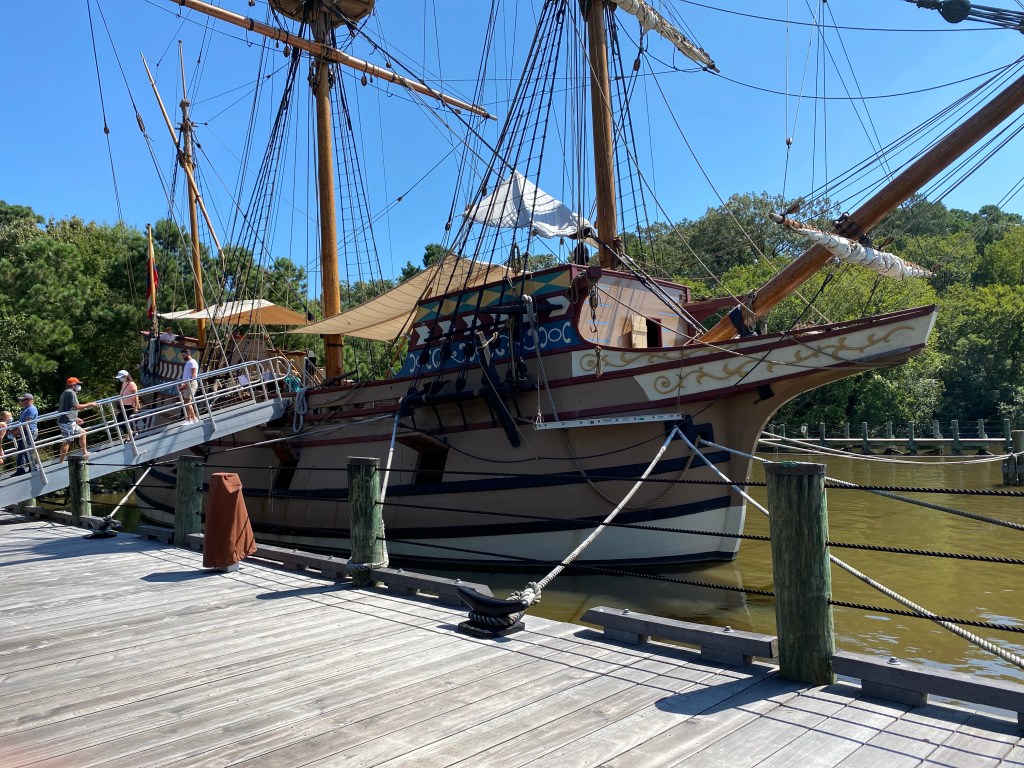
As the history books would tell us, Jamestown is America’s first permanent colony with settlers arriving in April 1607. The expedition was sponsored by a company of investors in the Virginia Company of London who were hoping to reap profits from the new colony. The first 104 settlers set sail in December 1606 on three ships, the Susan Constant, Godspeed and Discovery, from London across the Atlantic Ocean to the new land. They brought over the English language, customs, religious beliefs and government which created the foundations of the settlement and later played a large role in American history.

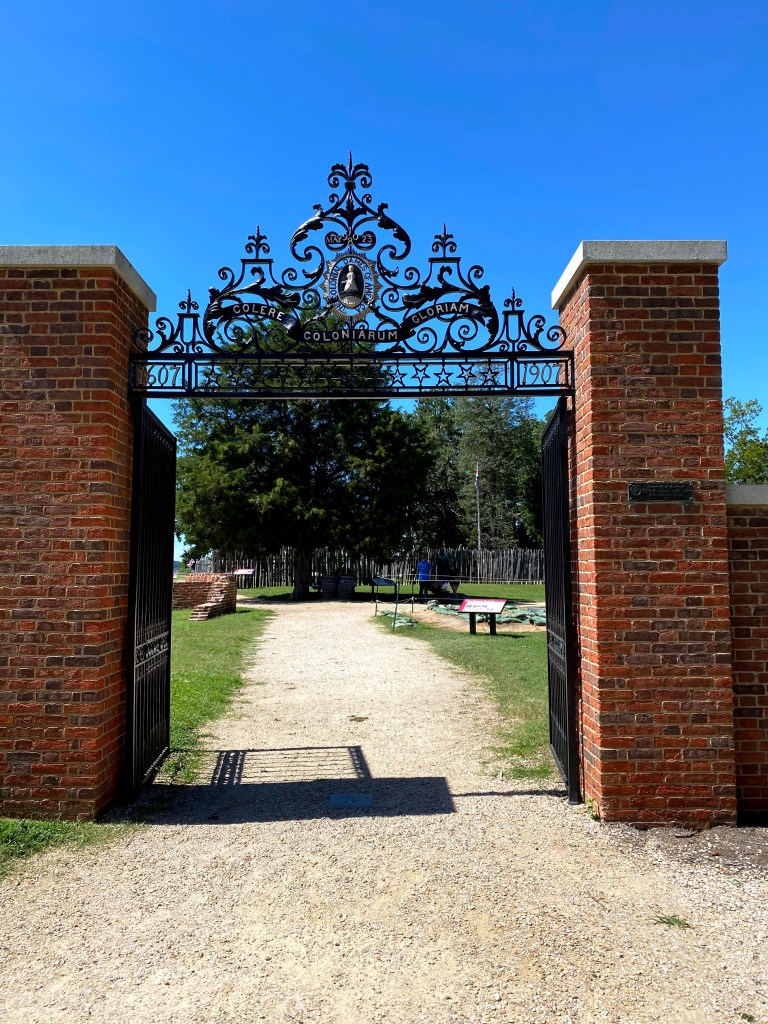
Entrance to Historic Jamestowne

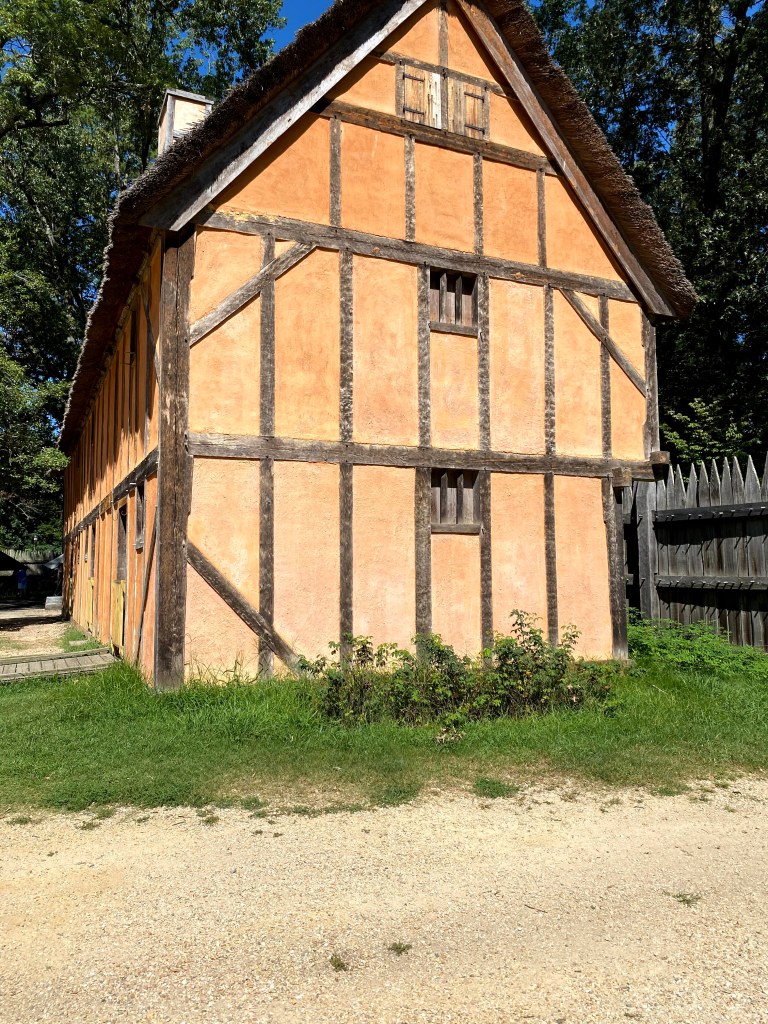
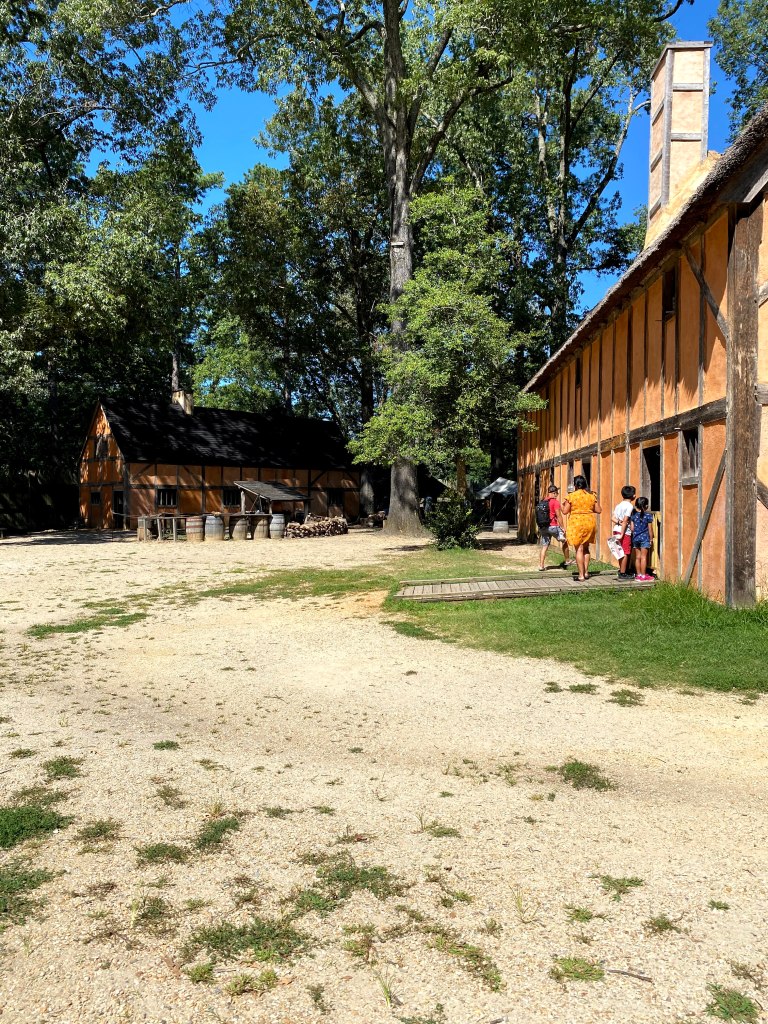
We decided to first visit the Jamestown Settlement Museum in the morning which was where the re-creations of the town’s buildings, three ships and the Powhatan’s Paspahegh Town were located. The museum was very interactive and definitely put the settlement in perspective. We were able to walk through the re-created buildings and watch the demonstrations of the tour guides who talked about daily life (food, cooking and jobs) in the Jamestown Settlement.

One of the guides described the rough conditions the settlers experienced when they first arrived to the new colony; the men slept outside for the first several months and spent working all day to build the fort and shelter for the residents. They later realized that the land they claimed was swampy and clean water was sparse especially when the temperature started getting warmer.

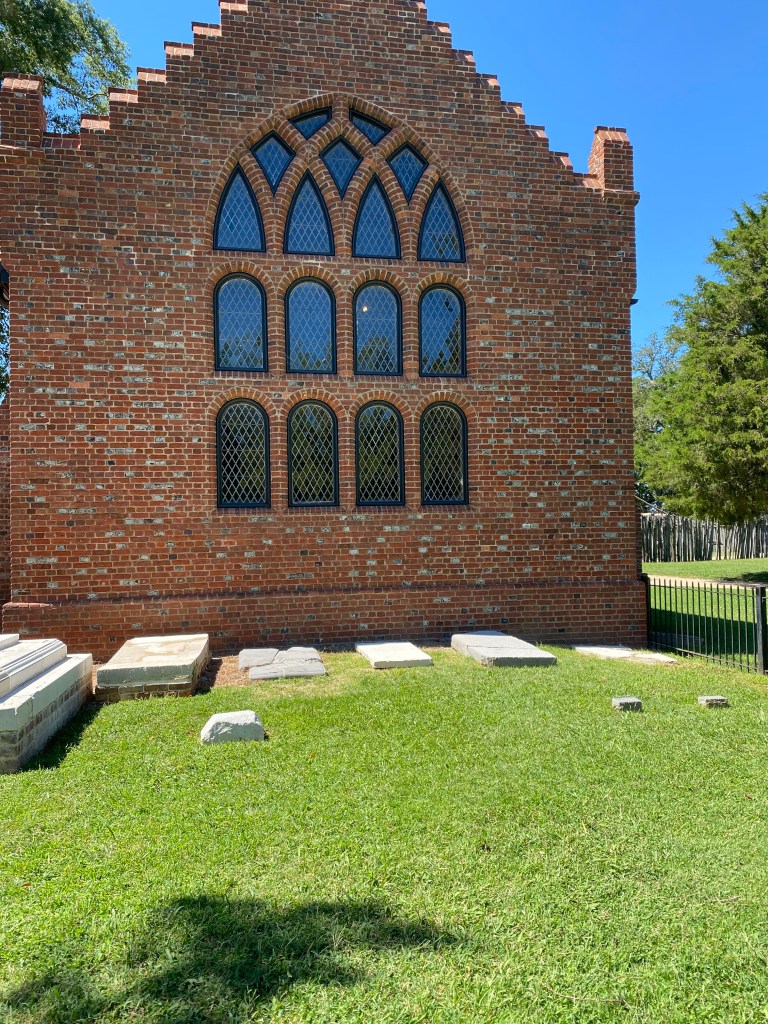
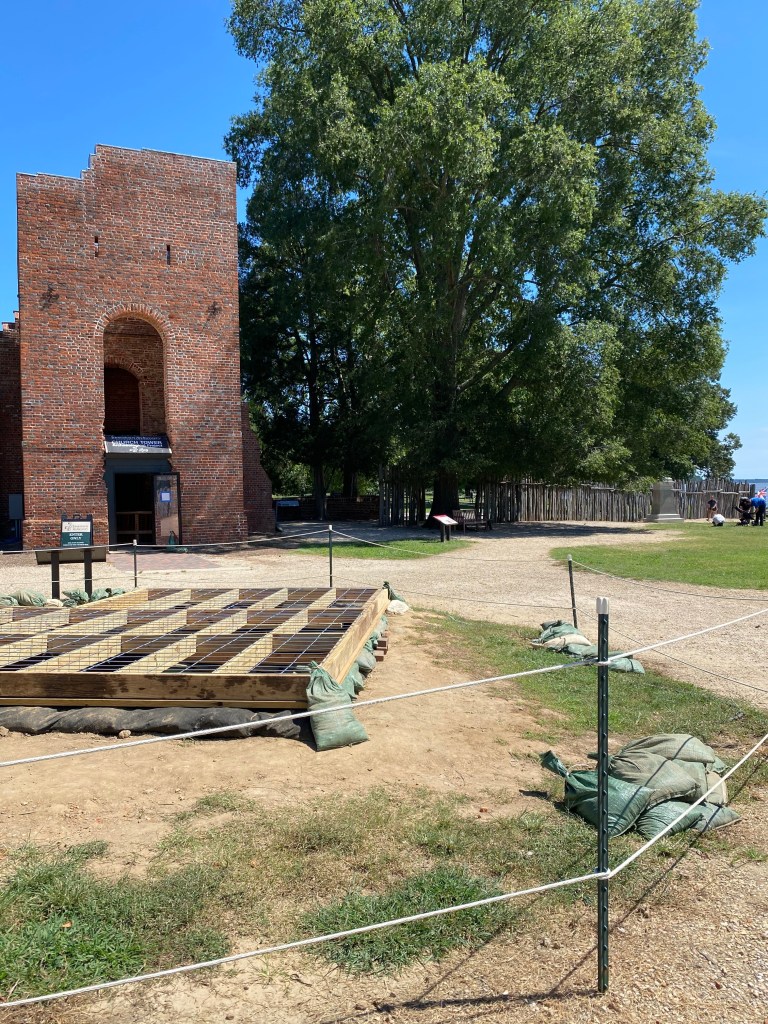
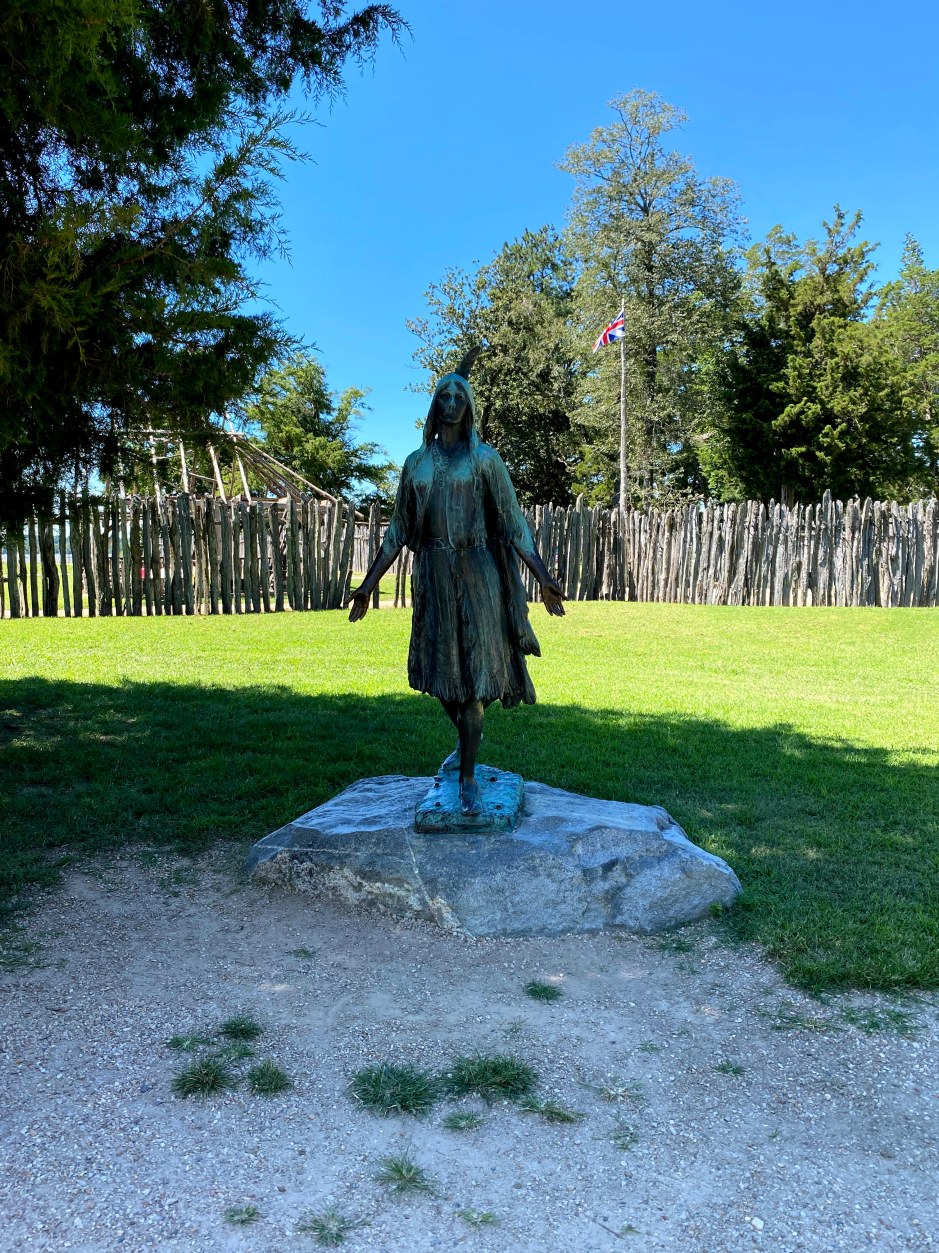
Afterwards, we headed to the Historic Jamestowne location which was a 5 minute drive from the Settlement. We walked down the pathway leading to the entrance of the Historic Jamestowne and saw the Memorial Church and the Church Tower to our left and John Smith’s statue standing in the center of the outline fort in front of us. I was so amazed that I was actually standing in the original triangular-sized Jamestown fort built up by these settlers.

The 17th Church Tower that sits next to the Memorial Church is the oldest remaining structure from Jamestown. From the Historic Jamestowne website, the Preservation Virginia acquired the Church Tower in 1893 and built the adjacent Memorial Church using the brick foundations similar to what was used in the 17th century.

Life in Jamestown was not easy. Half of the people died from disease in the Summer/Fall of 1607. And, by winter of 1607, there were only 38 people left in the settlement. In early 1608, more settlers arrived in Jamestown and eventually women and children started arriving to the colony. As Jamestown grew, the settlers began to have more conflicts with the Powhatan Indians for territory and food supply. As their relationship with the Powhatan Indians declined and winter approaching in 1609, the settlers began to experience food shortages due to the siege led by the Powhatan Indians. This later became what historians call the ‘The Starving Time’ which eventually led the settlers to resort to eating anything they can find and even cannibalism. Click here to read about Jane – https://historicjamestowne.org/archaeology/jane/

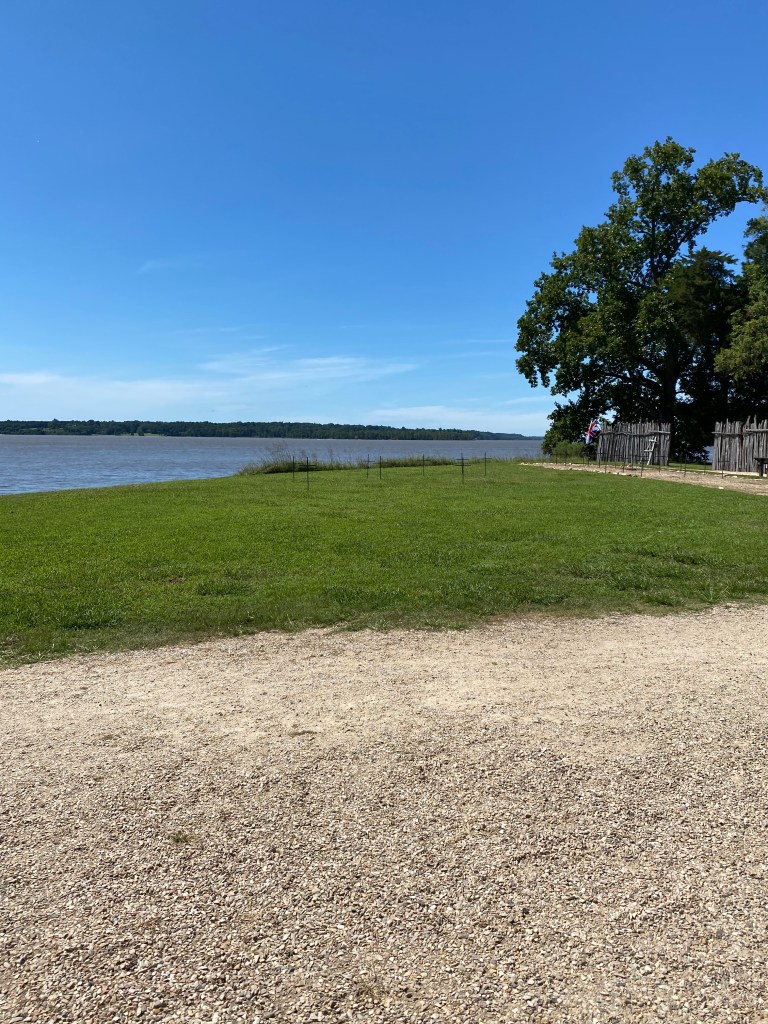
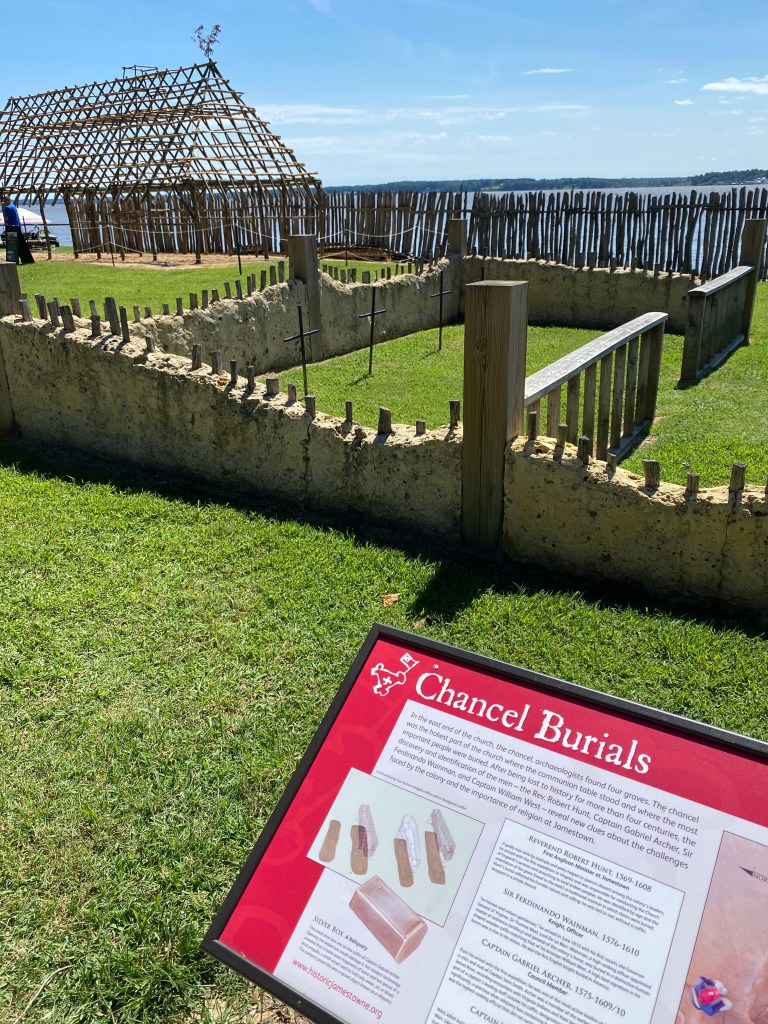
As we continued our tour through Jamestown, we walked towards the open field where we saw thin crosses standing in the grass next to the fort’s wall. Archaeologists had excavated several burial shafts of the early Jamestown settlers and there was even a young boy’s body that was recorded as ‘slaine’ by the Powhatan Indians. We also saw the Chancel’s burials nearby where archaeologists discovered four burials for the leaders in Jamestown: the Reverend Robert Hunt, Captain Gabriel Archer, Sir Ferdinando Wainman and Captain William West.

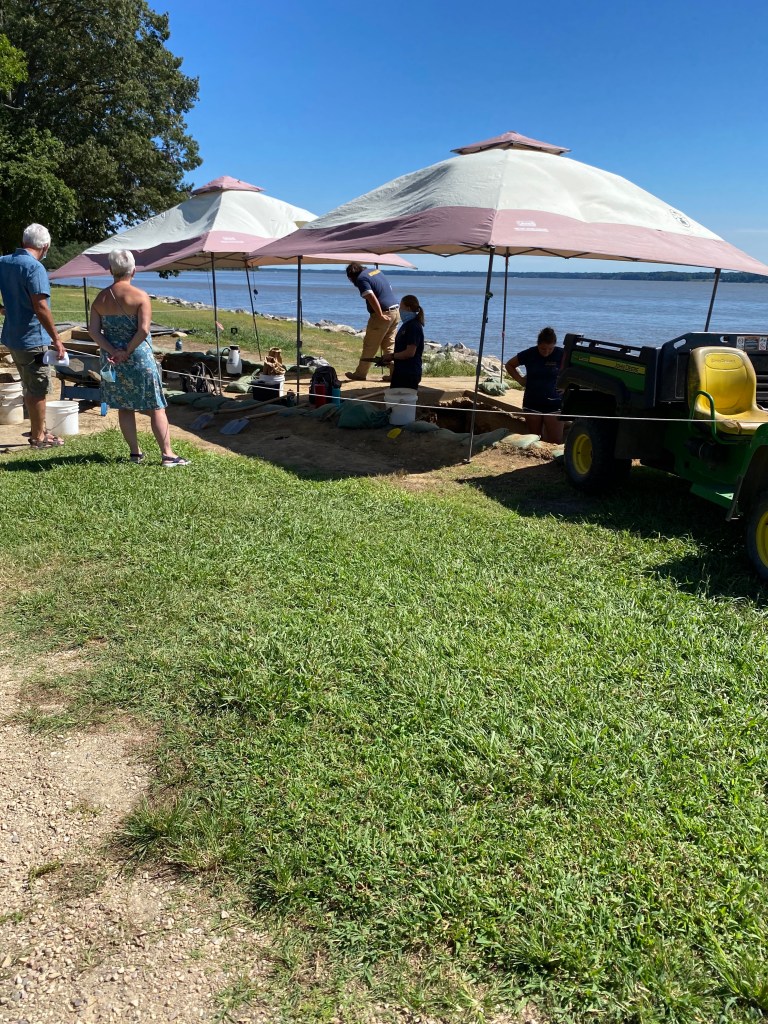
Ongoing archaeology

Jamestown always had a special place in my heart as a child and today as an adult. My family and I have one thing in common with the settlers; it’s that we both gave up everything in our homelands and took a huge risk to immigrate to a new place with so many unknowns. Obviously, I was not inflicted with disease, starvation or got attacked which I 100% agree they had it a lot worse! Nonetheless, I am very grateful for the settlers for their bravery and for taking a big risk to start over in a new land. They established the foundations of America and the symbol of freedom, and gave hope to people everywhere that they too can achieve their dreams.

A Picture is Worth A Thousand Words

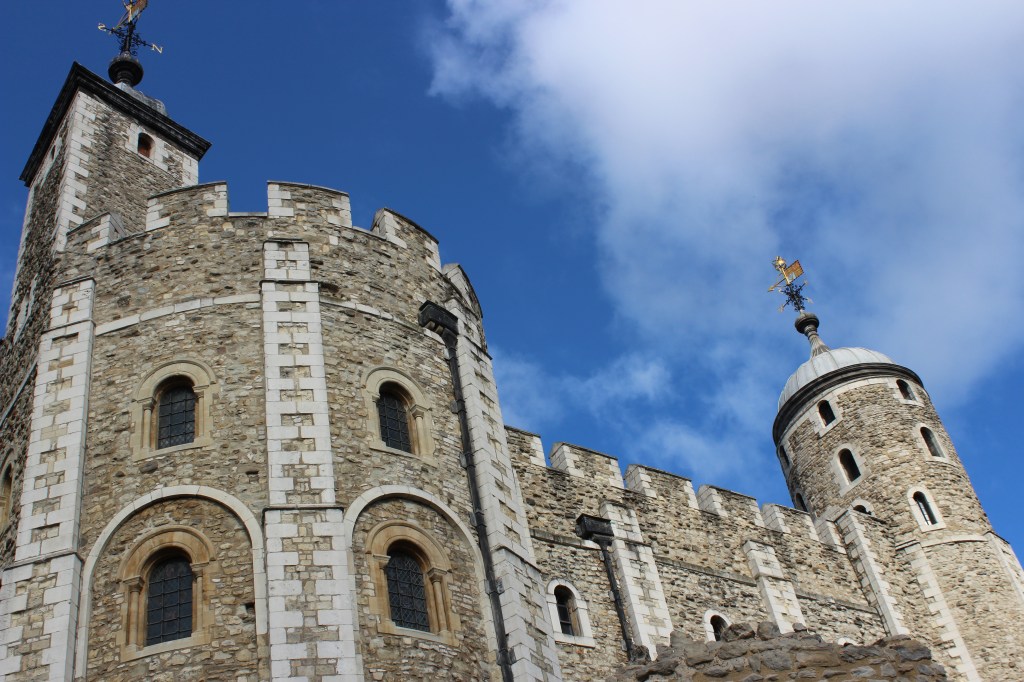
Tower of London

2020 hasn’t been easy; from Covid-19 to shut downs to racial injustice, it has tremendously affected my mental health. I’ve never been very good about prioritizing my mental health until these last few years. Traveling is my therapist; it’s helped me to be proud of my true self, to stand up to opposition that threaten my mental stability, gave me courage to proclaim my child-free lifestyle, and allowed me to dream and discover what sparks joy.

So, saying ‘I miss traveling’ is an understatement. I have hope that I will be able to travel very soon again. But in the meantime, I flip through my travel photos to give me that dose of therapy and motivation to keep pushing at achieving my current goals.

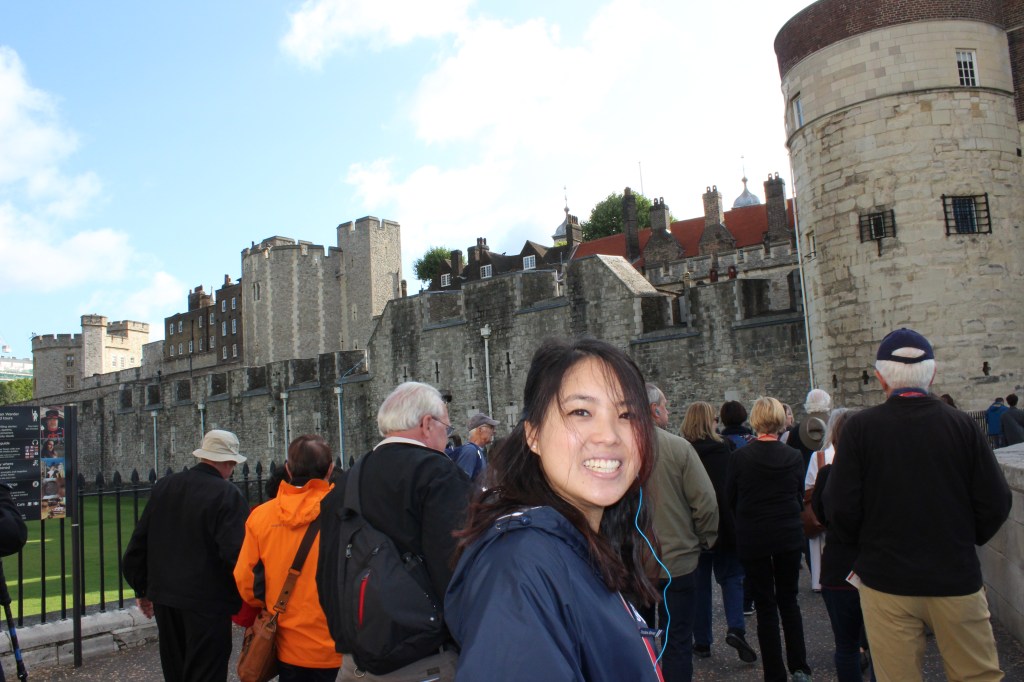
My current dose of therapy: My husband and I decided to spend a week in London for our honeymoon and the second week in Paris. This is a picture of me standing in front of the entrance to the Tower of London for the first time. I can still smell the cool London air, hear the chatter of the other tourists and feel the energy of excitement around me. They say that a picture is worth a thousand words.

I was the happiest person in the entire world in THAT moment. Visiting the Tower of London was my childhood dream. Growing up, I was obsessed with British history (and I still am!); fascinated by England’s monarchy, William the Conqueror, the War of the Roses, King Richard and England’s lost boys, the infamous King Henry VIII and the tragic story about Anne Boleyn. The Tower of London was the central figure that brought those events together and kept the British monarchy strong!

My visit to the Tower of London motivated me to search for what sparks joy and opened the doors to discover other cultures/viewpoints. Ever since that trip to London, I’ve experienced true happiness, discovered what I am passionate for and that I can achieve anything I set my mind to. I began to prioritize my mental health, started to use silence in the place of angry words and became more open-minded to others who are different from me. I have traveled to other destinations since then, and each destination has taught me their culture and has also taught me something new about myself.

Today, I am proud of myself and what I have been able to overcome personally. Traveling is my therapy and I have hope that I’ll be able to explore again very soon.